
Fiber
High-performance natural fibers from crop residues
Converts agricultural crop residues into high-performance natural fibers for textiles, nonwovens, paper, packaging, and industrial applications.
Non-food biomass
A feedstock-agnostic biofractionation platform that turns crop residues into fiber, polymer, and chemical co-products—without competing with food supply.
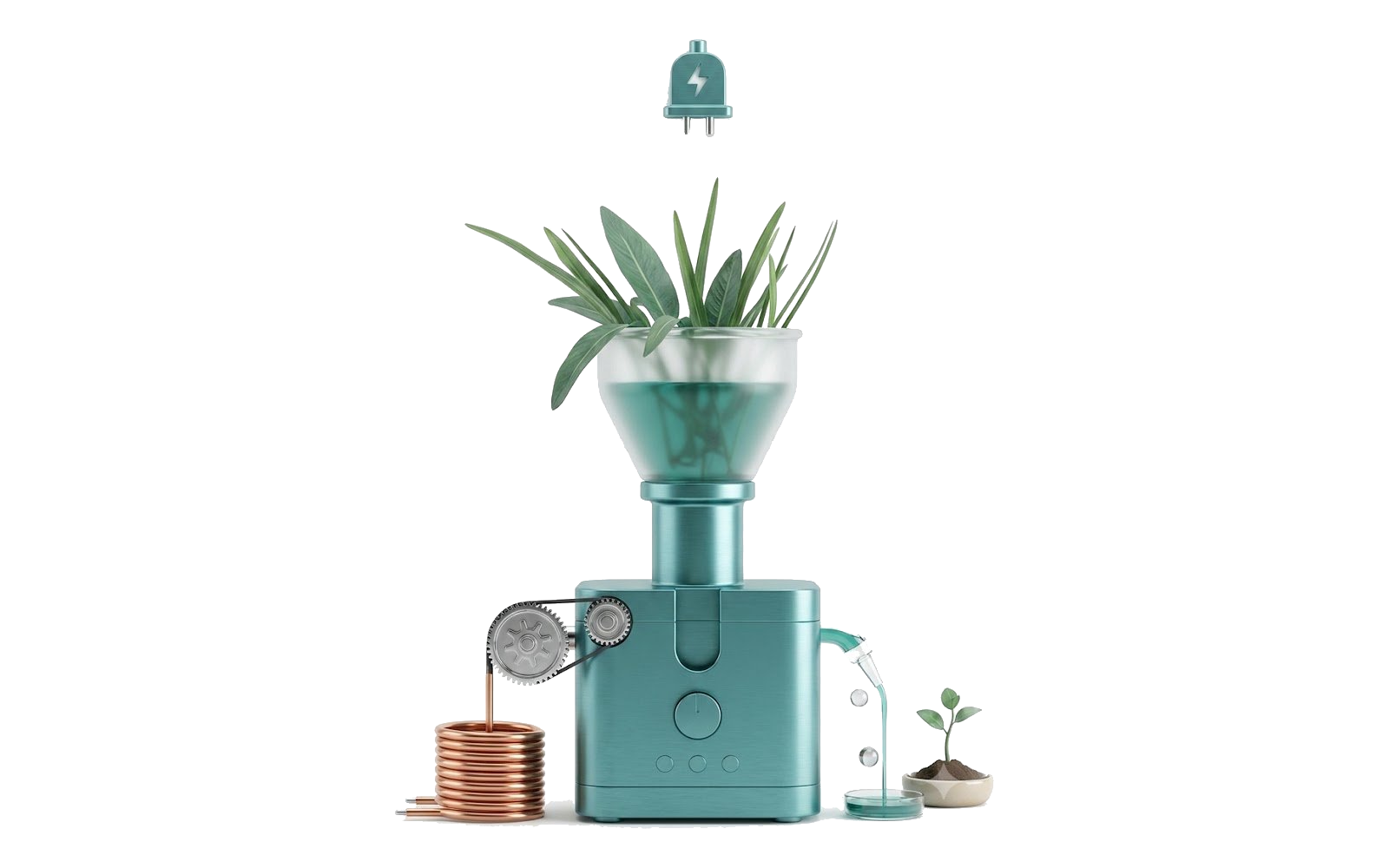
The problem
Global fiber and polymer demand keeps climbing, yet conventional feedstocks strain land, forests, and fossil supplies — creating pressure on ecosystems and finite resources.
In focus
01 / 04Global fiber & polymer output
0 M tonnes
540+ million tonnes of fibers and polymers produced annually — demand keeps climbing.
Relative scale
Source: Global plastics production exceeded 414 million tonnes in 2023 (Statista), while global fiber production reached approximately 132 million tonnes in 2024 (Textile Exchange Materials Market Report 2025).
By the numbers
Select to read more
Crop biomass
These are some of the plants that provide our food and the clothing we wear, representing one of the largest sources of agricultural biomass.


~40% of the crop biomass is used as food or fiber
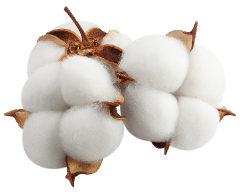
Cotton fiber and seed
~60% are crop residues and this biomass may be used for bio-products

Cotton Stalk
Cotton → Cotton Stalk. After ginning, cotton stalks are among the largest lignocellulosic residue streams — ideal feedstock for bio-based polymers and textile fibers.
The waste crisis
Much of this biomass is burned — driving climate change and air pollution.
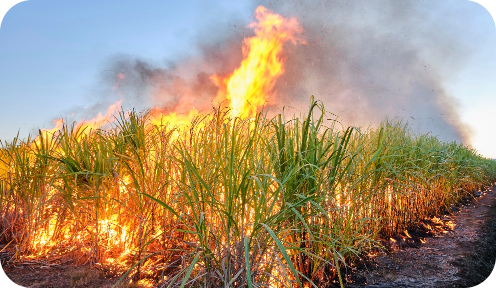

Drag to compare · use arrow keys
Climate change. Open-field residue burning releases CO₂ and short-lived climate pollutants — turning crop waste into a regional emissions crisis.
Health burden
0 M deaths/yr
*WHO 2008
Technology
Biofractionation unlocks fiber, polymer, and chemical value from non-food crop residues.
Crop residues — cotton stalk, rice husk, wheat straw, cane bark — from the world's largest agricultural biomass categories.
Swipe or tap to explore steps
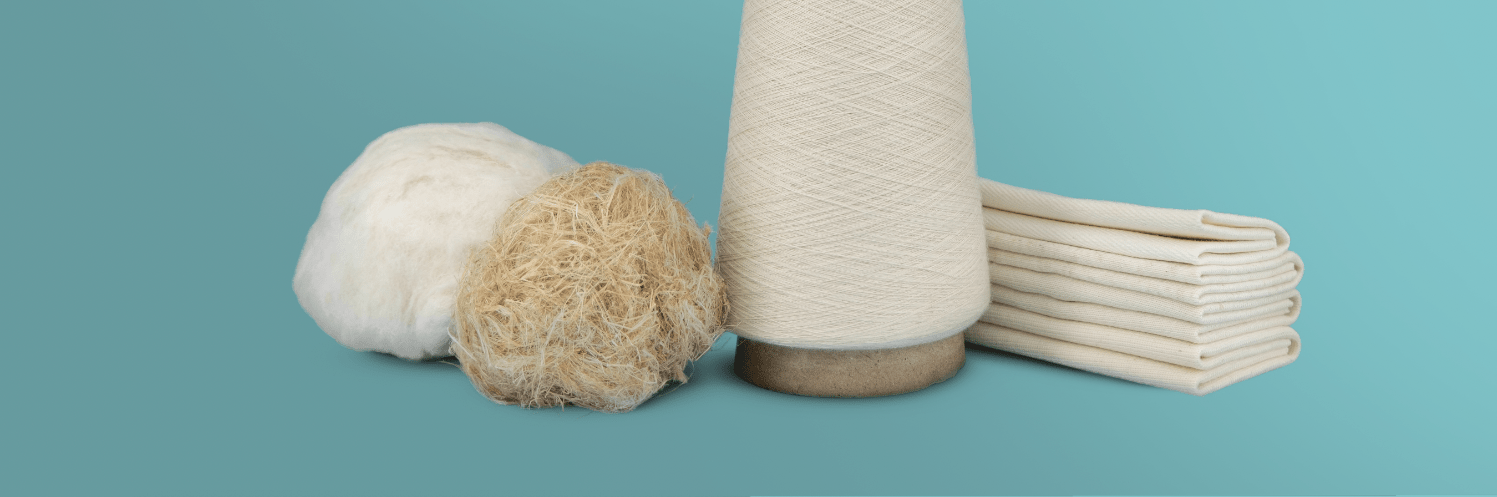
Food Crop Residue Valorization
“The Cutting Edge of the Future”
UNESCO
“Golden Chalice of Sustainability”
Top Textile Research Institute
Co-products
Each fraction becomes a distinct product line — fiber, polymer, and chemical building blocks — valorized without competing with food supply.
Fiber
High-performance natural fibers from crop residues
Converts agricultural crop residues into high-performance natural fibers for textiles, nonwovens, paper, packaging, and industrial applications.
Polymer
Bio-based polymers replacing fossil plastics
Transforms non-food agricultural biomass into bio-based polymers and plastic alternatives for durable goods, packaging, and consumer products.
Chemical
Renewable chemical building blocks from biomass
Produces renewable chemicals and functional bio-based ingredients from agricultural residues through advanced biomass fractionation.
Why Agrefinery®
From feedstock flexibility to multi-product output — everything a circular biomass refinery needs to compete with virgin materials.
Competitive with conventional virgin and fossil-based products.
Processes the largest non-food lignocellulosic biomass categories.
Mechanical, chemical, and hydrothermal fractionation unlocks constituent value.
Fiber, polymer, and chemical co-products from one feedstock stream.
Non-wood biomass, wind, and solar power closed-loop operations.
Regenerative fertilizer co-product returns carbon and minerals to soil.
Annually regrown biomass in a one-year carbon loop.
Simultaneous bio-energy and bio-chemical production.
Markets
Textiles
Apparel · Nonwovens · Industrial fabrics
Build with us
Tell us your feedstock, application, and timeline. We'll map the valorization pathway.
Talk to us